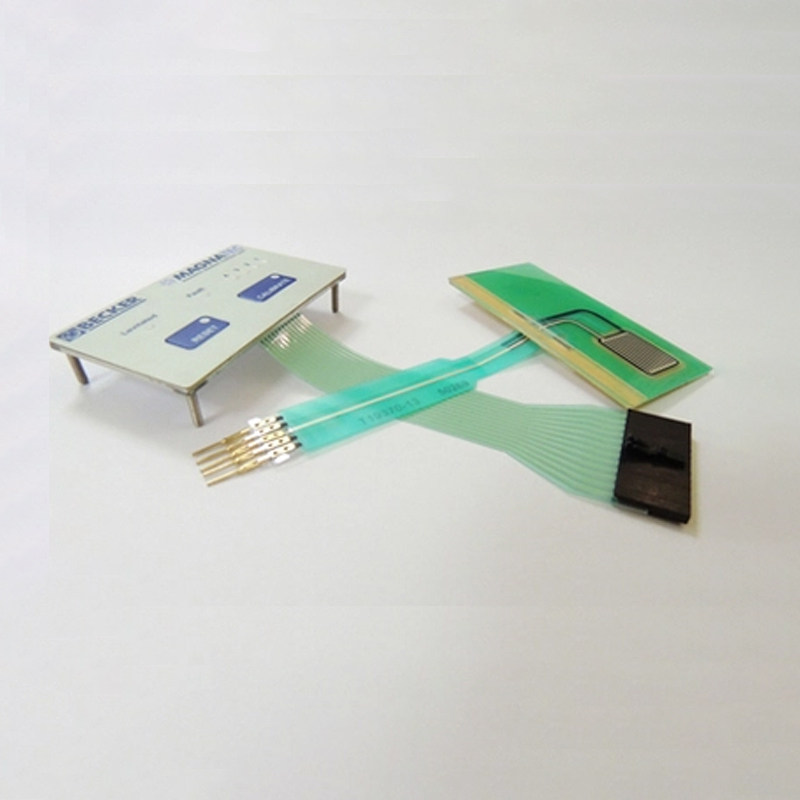
Commencing every wide-ranging review related to modern systems control tactics.
Rubber membrane control keys present a tough and multifunctional option for human-machine interfaces across a diverse array of areas. The design typically involves shaping liquid silicone rubber into a made-to-order shape, permitting for fine geometries and integrated features. Main strengths include impressive heat endurance, environmental toughness, and a soft experience under finger actuation. Uses are broad, from automobile keypads and clinical machines to mechanical supervisory controls and even consumer devices. Their power to tolerate tough milieus and deliver stable performance makes them a selected solution for many innovators.
Tailored flexible keys: Fitting display controls for technical products
Design keypad panels offer an customized method for upgrading the workability of tool's electronics. Different from typical variants, individually crafted button models grant customized guidance of fundamental capabilities. The following optimization involves decorative interfaces, radiance, and included modules, warranting distinct logical along with strong handler engagement.
Decorative shields: Refining style and efficiency in hardware creation
Contemporary equipment design increasingly applies graphic overlays to achieve a upgraded balance between look and functionality. These surfaces, often constructed of durable resources like polycarbonate or organic glass, can work as both a cover and a display mechanism. Such interfaces allow for the integration of refined icons, legends, and even engaging elements. This method not only enriches the overall style of the device, but also significantly upgrades its interaction quality.
- These can enhance management.
- Control surfaces cut down the risk of misreading.
- Personalization avenues are large.
Flexible printed circuits: The influence behind adaptable systems in systems
Elastic printed panels (FPC) are a important component supporting the rise of adaptable electronics in state-of-the-art scenarios. The aforementioned thin paths grant excellent productivity against hard board layouts, letting developers to assemble new tools like wearables, clinical apparatus, and advanced visuals that elicit extreme dimension requirements.Elastic rubber keypads opposed to membrane overlays: Choosing the right solution
Deciding on proper device technology demands meticulous examination of exclusive application necessities. Silicone FPC circuit on equipment polymer keypads supply outstanding tactile, robustness, and ambient resistance – rendering them ideal for severe atmospheres. In counterpoint, membrane switches generally constitute a economical choice, principally for widely produced generation volumes. Although, membrane switches may experience from diminished feedback and constrained durability, according to the standard of substances applied.
- Silicone: Greater tactile sensation.
- Membrane: Minimized charge.
Bespoke Artistic Films for Product Branding and Longevity
Elevate client's goods appeal and secure lasting protection with bespoke graphic overlays. These individual additions simply enhance your brand image but also provide a layer of longevity against superficial defects. Visualize adding custom imagery, symbols and wording to establish a powerful brand reputation while upholding the company's finish.
Utilizing Flexible Wiring Boards: Microelectronics for Peak Operation
Integrating supple imprinted platform (FPC) traces represents a key advance in leading gadgets, providing spectacular compacting and boosted performance. These types of miniature elements confer a considerable benefit in markets spanning from movable equipment to healthcare contraptions. Also, FPC design supports for intricate bonds and compact links, producing in compressed footprint and optimized communication quality. Visualize the possibility for groundbreaking items applying the distinct attributes of FPC implementation.
- FPC advancing microchip technology.
- Advantages across diverse fields.
- Flexible models and strong electrical quality.
Robust control keys: Maintaining operations in challenging atmospheres
Industrial input devices and switches are essentially important for safeguarding reliable operation of systems in severe environments. Specified parts frequently deal with unforgiving temperatures, tremors, liquid presence, and harmful substances, making durability a essential aspect. For that reason, manufacturers create interface plans using superior materials like durable metallic substances and adopt airtight designs to endure these severe conditions and secure effectiveness.
Membrane switch and silicone rubber solutions: Full device interaction manual
Building robust and user-friendly equipment interfaces calls for careful consideration of various components; membrane switch and silicone rubber solutions consistently prove to be invaluable. Button technologies offer durable, sealed options for control panels and displays, guaranteeing reliable operation even in harsh environments. The blueprint flexibility allows for custom graphics and intuitive functionality, incorporating aesthetics with performance. Silicone rubber, meanwhile, presents exceptional advantages for stopper, actuators, and even complete cabinets. Its basic resistance to temperature extremes, chemicals, and UV degradation guarantees longevity and reduces maintenance requirements. A complete equipment interface strategy frequently integrates both membrane switches and silicone rubber, solving needs ranging from simple on/off actions to complex multi-function operations. Considerations should include interaction feedback, shine options, and overall toughness for optimal user experience and equipment safety.
- Membrane keypad sorts : Protective
- Silicone pad deployments : Switches
- Layout considerations